

How Keystone Habits Can Transform Your Relationship With Money
What if one of the most powerful things you could do for your finances had nothing to do with a spreadsheet?
No new budgeting app. No debt payoff calculator. No guilt-stricken review of last weekend’s spending. Just one small, low-friction, consistent habit reshaping the way you think, feel, and act around your money.
This is the promise of keystone habits.
What Are Keystone Habits?
Keystone habits are defined as foundational behaviors or habits that, when adopted, trigger a domino or ripple effect of positive secondary habits across multiple areas of life.
What makes a habit a “keystone” habit:
• Creates a sense of small wins that build momentum
• Spills over into other areas of life
• Shifts a person’s identity and self-perception
• Often establishes structure and routines that diminish bad habits
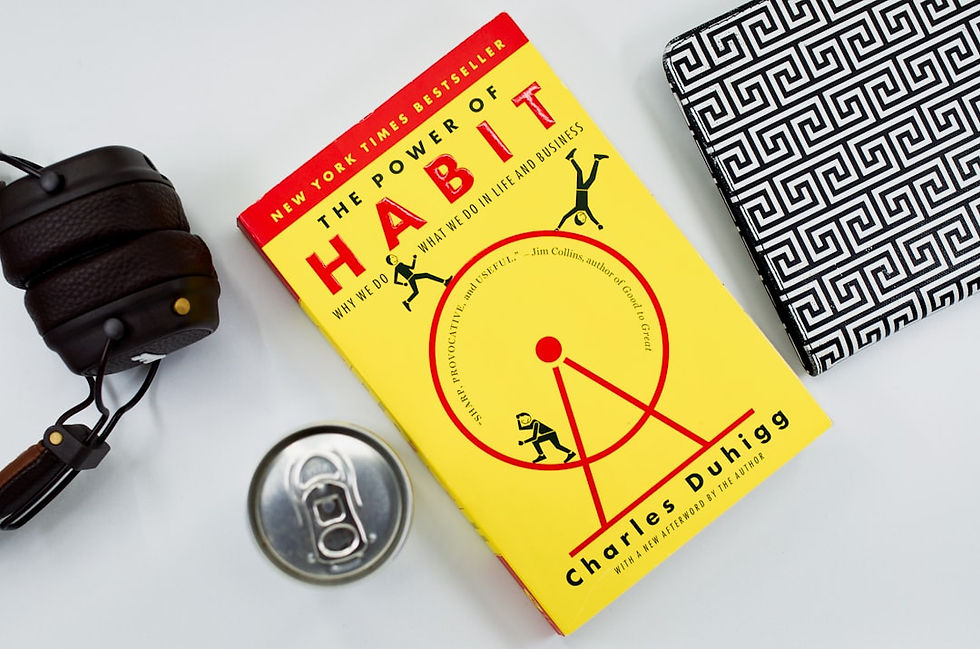
In the book The Power of Habit, Charles Duhigg introduced the concept of keystone habits.
The most cited example is exercise. When people begin a consistent workout routine, something remarkable tends to happen. They start eating better, sleeping more consistently, their ability to handle stress improves, even without consciously trying to change any of those things. An exercise habit sets off a chain reaction that doesn’t just improve fitness but transforms other areas of life as well.
Financial stress is one of the leading sources of anxiety in modern life.
A 2026 analysis published in the journal Systems highlights that regular physical activity reduces symptoms of anxiety and psychological distress. This builds what researchers call ‘health capital,’ which acts as a powerful buffer that directly enhances a household’s long-term financial resilience against stress and economic shocks.
A person with a regulated nervous system is more likely to start a difficult conversation with their partner about debt, call a creditor to negotiate, or sit down and actually create a budget.
Exercise also tends to shift identity in the same direction as financial responsibility. Someone who identifies as disciplined, committed to their health, and capable of doing hard things is more likely to apply that same focus to budget and save money.

Keystone habits create a ripple effect.
They instill a sense of wins, build momentum, and can gradually shift a person’s identity. Instead of thinking “I’m trying to be healthier,” you begin to describe yourself as, “I am someone who takes care of me.” That perspective shift is powerful.
Knowing what to do with money is rarely the problem. It is the emotional landscape underneath the behavior that gets in the way of financial decision-making.
Our money habits are shaped by what are called money scripts, the unconscious beliefs we inherited about money, often before we could even articulate them. Messages like “we can’t afford that,” or “rich people are greedy” become reflected in our money-related choices.
We can spend less and save more, but without addressing the belief system and emotional reactions driving our behavior, most financial advice falls short.
Keystone habits help develop the psychological infrastructure of discipline, self-trust, emotional regulation, and a sense of empowerment to support healthy financial behavior.
Money Check-ins
One common behavior addressed in financial therapy is financial avoidance. That can look like avoiding opening bank statements, ignoring credit card balances, and feeling intense, uncomfortable emotions when money conversations come up.
While avoidance feels protective in the moment, it amplifies long-term anxiety, prevents growth, and worsens the financial situation.
A weekly money check-in (even spending just ten minutes) reviewing your accounts, spending, and intentions helps dismantle avoidance.
Over time, this habit builds financial self-efficacy—the belief that you are capable of managing your money. That belief begins to influence decisions about what you buy, what you save, and how you speak to yourself after a financial setback.
You can begin by setting up a recurring calendar event. Name it “Money Review” or “Money Alignment Check-In.” Take a breath, open your financials, set a timer, and review your finances with curiosity and steady attention.

Daily Journaling
The effects of journaling are profound and well-documented. Regular reflective writing reduces cortisol, improves emotional processing, and increases self-awareness, all of which influence spending behavior.
Journaling creates a space to surface and examine your money-related behaviors. When you write freely about a purchase you regret, you often uncover the emotional need underneath it: the desire for comfort, status, control, or belonging. That awareness is the first step toward change.
Journaling also tracks personal growth. Reading entries from months ago and noticing the difference in how you feel about money is motivating. Start by keeping a notebook and pen by your bed. Each morning, write three sentences about how you feel about your financial life.

Meal Planning
Meal planning functions as a budgeting strategy because regularly preparing food at home is a reliable way to reduce discretionary spending. But its deeper value is what it builds internally. Meal planning requires intentionality, delayed gratification, and follow-through.
Those are exactly the skills that financial wellness demands.
Research in behavioral economics supports that people who engage in regular planning behavior in one domain tend to plan more effectively in others, including finances.
You can begin by planning just three dinners for the coming week. Write them down (or screenshot them). Buy what you need. Pay attention to how it feels to follow through.

A Consistent Morning Routine
Decision fatigue is a real enemy of financial wellness. The more choices we have to make throughout the day, the lower the quality of our later decisions. For example, impulsive purchases, emotionally-driven spending, and avoidance of important financial tasks are all worsened by cognitive fatigue.
A morning routine can help conserve cognitive and emotional resources for your decisions. When the first hour of your day runs on autopilot (wake up, hydrate, brush teeth, move, set intentions), your brain can arrive at decisions more calmly and more capable of thinking long-term.
In financial therapy, clients who struggle with impulsive spending often report that the spending tends to happen later in the day, after emotionally draining events. A grounding morning routine doesn’t eliminate those moments, but it builds a bank of resilience to draw from.
You can begin by identifying two things you’ll do every morning before looking at your phone or going to work. Keep it reasonable and sustainable. Consistency matters more than ambition here.
Each time you complete a money check-in, write a journal entry, meal plan for the week, follow your morning routine, or complete a workout, you collect evidence that reinforces the belief that you are capable, intentional, and in control. Over time, that evidence rewrites the story you tell yourself.
The most common mistakes when introducing keystone habits are choosing too many, too big, and too fast. Big changes are difficult to maintain because they require a significant amount of willpower and motivation, which can be difficult to sustain over time.
Research supports that sustainable change starts small.
Ask yourself: Which of these habits, if practiced consistently for 30 days, would make more in my life feel easier?
Start there with just one, practicing it until it becomes part of who you are.
Financial wellness is not built in a single breakthrough financial therapy session or a perfectly executed budget. It’s built in the sustainable accumulation of small, intentional acts that are repeated often enough that they stop feeling like effort and start feeling more like who you are.
If you’ve made it this far, thank you for reading!!!
I hope today you’re met with kindness, especially from yourself.
References
Dang, Q., Yu, W., & Fan, Q. (2026). Dynamic Feedbacks Among Physical Activity, Health Capital, and Household Financial Resilience: A Systems Analysis Using China Family Panel Studies. Systems, 14(6), 674. https://doi.org/10.3390/systems14060674
Duhigg, C. (2014). The power of habit: Why We Do What We Do in Life and Business. Random House Trade Paperbacks.
Fogg, B. J. (2020). Tiny habits: The Small Changes That Change Everything. Mariner Books.
Jacobson, K. (2026, May 25). The Ostrich Effect: Understanding why we avoid financial stress. Your Money Counselor. https://yourmoneycounselor.substack.com/p/the-ostrich-effect-understanding
Jacobson, K. (2026, April 30). What’s your money story? Your Money Counselor. https://yourmoneycounselor.substack.com/p/whats-your-money-story
Lynch, J. G., Netemeyer, R. G., Spiller, S. A., & Zammit, A. (2009). A generalizable scale of propensity to plan: the long and the short of planning for time and for money. Journal of Consumer Research, 37(1), 108–128. https://doi.org/10.1086/649907
PsyD, A. B. (2023, November 4). Change your life by forming the best keystone habits — Cognitive Behavioral Therapy Los Angeles. Cognitive Behavioral Therapy Los Angeles. https://cogbtherapy.com/cbt-blog/best-keystone-habits-change-your-life
The power of journaling for managing stress and Anxiety - Supportive care. (n.d.). https://www.thesupportivecare.com/blog/the-power-of-journaling-for-managing-stress-and-anxiety


Comments